
Volume 1 Number 1 2008
Tony Quagliano
BETWEEN A ROCK AND MAHATMA GANDHI
Between a rock and Mahatma Gandhi
which is better?
a rock is a perfectly fine
aggregation
of sub-atomic particles
Mahatma Gandhi alive is a perfectly
fine aggregation
of sub-atomic particles
a rock has rock sentience
Gandhi has Gandhi sentience
it’s not better to be a rock
or to be Gandhi
if nothing matters
we have powerful personal knowledge
that nothing matters
suicide knows nothing matters
war knows and torture
the tools of the torturer know
extinct species know nothing matters
opium knows
metallic concentrates in the brain
stunned by Alzheimer’s know
your house on fire while you are at the movies
the deepest inner thoughts of your great
grandfather’s great great grandfather know
the room he was born in knows
the biochemistry of a cancer cell knows
the questions asked by Torquemada know
ashes scattered at sea
the digestive tract of the insect
feeding on the conqueror worm knows
the library at Alexandria
self-destructive habits know
an empty tube of spermicidal jelly knows
the temperature of the air in a Siberian prison cell knows
a neutron in an oxygen atom in
the ozone layer knows
the volume of Niagara Falls knows
the last centimeter of the distance between
this page and Alpha Centauri knows
nothing matters across all time and space
nothingness
knows nothing matters
nothingness knows most
nothing matters
though a case can be made
made every day
that something matters
though the proofs don’t overwhelm
if something matters
only if something matters
Mahatma Gandhi is better than a rock.
Tony Quagliano (1941– 2007) edited Kaimana–Literary Arts Hawai’i. He was published widely in numerous literary journals. “Between a Rock and Mahatma Gandhi” first appeared in New York Quarterly.
Peter Chamberlain
The Reconfigured Ear Series / wak n’ stacks
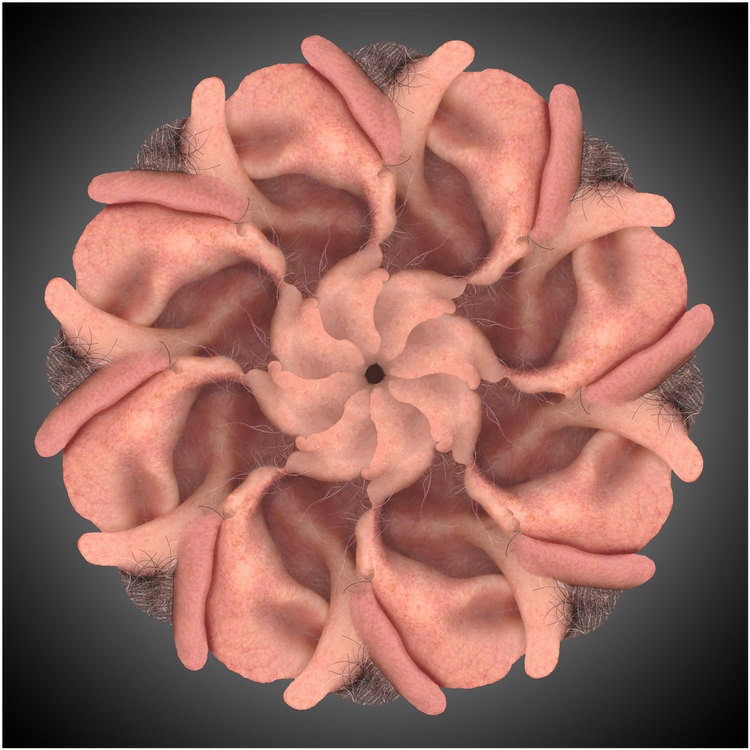
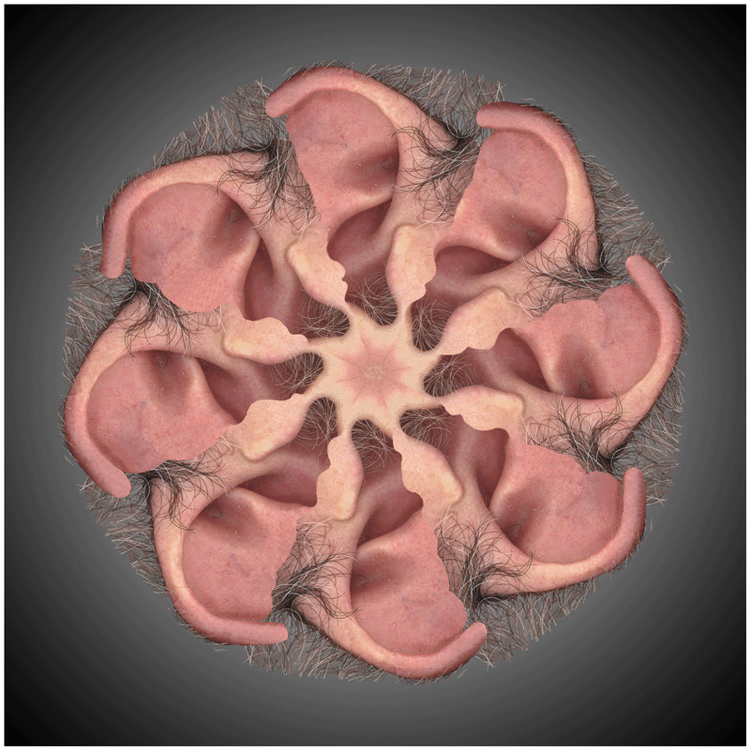
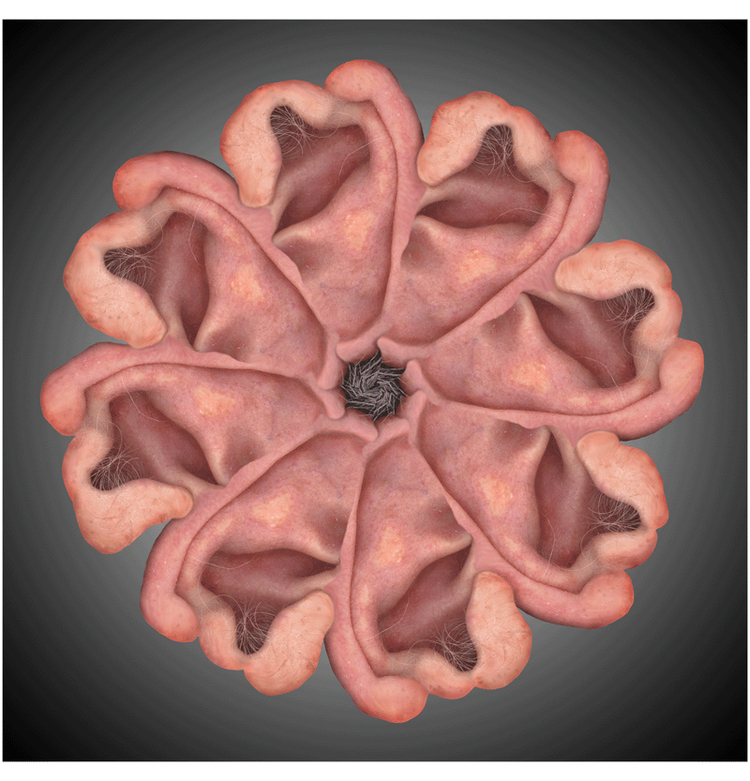
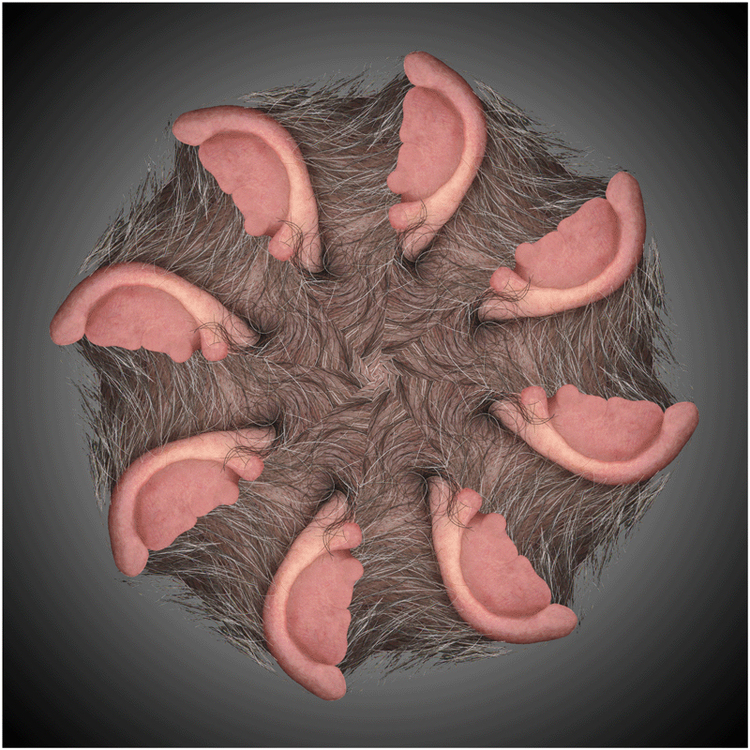
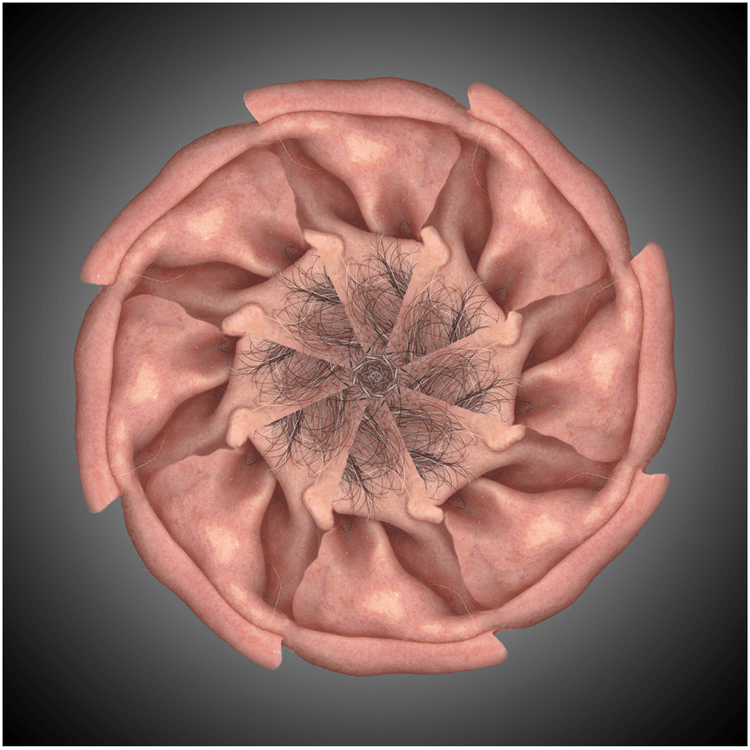
Peter Chamberlain is a professor in the Expanded Arts Program at the University of Hawai’i at Manoa.
Rob Wilson
TRAVELLING
Travelling out of the body by staying too long in one place,
he entered the room and began travelling. In certain parts of
town, all the villagers held a gun pointed at the head of the
white stranger. Though he used to dwell there long ago, some two
decades ago, they held the guns pointed to his head, just
grinning.
In other neighborhoods, loud laughter was heard as if it were
always Sunday afternoon in summer, and the men did not have to
think about working in the brass mills. He was in the Puerto Rican
part of town, and nobody talked to him, but he wanted to
linger in the tiny bars with small change and much laughter.
In another part of town three and four shopping malls were
going up, but he felt like he had never been there, even when he
was there.
He hid in the cool churches of his childhood, praying. It
seemed to make the day immaculate, like one event might lead to
another, like a friend’s unexpected waiting at the airport or a
telephone call from out west summoned by a kindly thought earlier
in the day.
Then the factory whistles were starting to blow, and he
would work in the same shop his whole life, mute and without
travelling, like the men in the town before him. The town was
only in his own head, but he brought it across continents and
oceans, travelling to the same place over and over like the
parched sunset seen ten thousand times from the same dirty
window, without curtains.
Rob Wilson is an English professor at the University of California at Santa Cruz.
Melvin Derwis
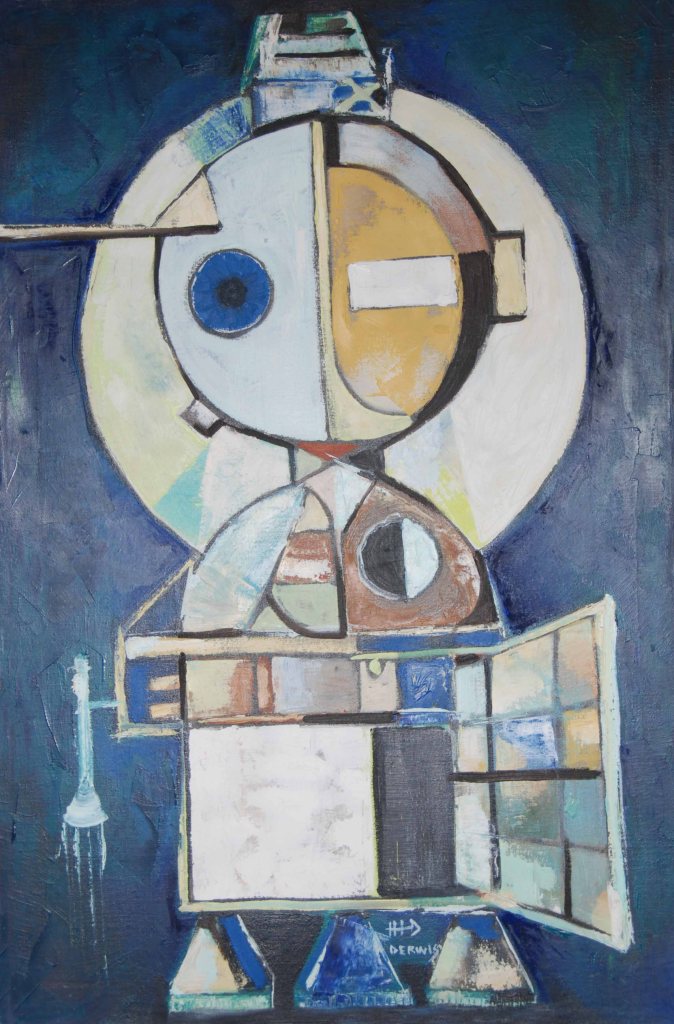
Melvin Derwis (1916–2000) was born in Pittsburgh, Pennsylvania. He lived and worked in Cleveland, Ohio.
Joseph Stanton
GROUNDHOG DAY
Some days threaten never to end,
but this one just keeps coming back again.
A song by Sonny and Cher,
a DJ’s shouted, “It’s cold out there!”
and Phil is off once more–
seeking, he realizes, Rita’s love
but finding only despair,
a February second
repeated ad absurdum,
the fairytale hero here
becoming his own
fairy godfather,
giving himself an offer
he must learn how not to refuse,
remaking himself a prince
with scant help from the kiss
that never entirely arrives,
though he seeks it so desperately.
Phil must make a magic moment
out of an odd redundancy of striving
to be better than he is–
though trapped, he knows,
in the not very original sin
of being a jerk at heart.
For all of us, this is
a transformation devoutly to be wished–
a joking way to say we can
eat our world and have it too,
avoiding our idiocy’s
diminishing returns.
VERTIGO
A fear drops a plumb line,
Hitchcock’s horrific zoom-in and track-back,
to a depth hope cannot rise above.
But a falling can also be
into the madness that is love,
a vortex spinning down a mind,
whose bottom line
might be terrible to consider.
A portrait of Carlotta,
the beautiful Carlotta,
the sad, the mad Carlotta
could be a portal to the past
or a bad dream
of an old house on the corner of Eddy and Gough,
a grave at the Mission Delores with Carlotta’s name on it,
a leap into the Bay at Old Fort Point out at the Presidio,
a fatal bell tower at San Juan Bautista,
a hundred miles down the coast.
But that peculiar bunch of flowers,
the twist to the hair, and the simple gray suit
are as real as the beautiful city of San Francisco
and the two cars, one white the other green,
that swing left, then right, then left,
pursuing each other for miles of film,
somehow always downhill,
the way everything must go,
it seems,
when desire overwhelms almost everything,
except for death itself,
viewed from the highest vantage,
vertigo overcome at last,
as Midge’s dearest Johnny-O stands above,
finally fearless,
out on the ledge of the world,
with no one left to save,
no one left to love.
Joseph Stanton is widely published as a poet and scholar. He teaches Art History and American Studies at the University of Hawai’i at Manoa.
Kathy Ireland Smith
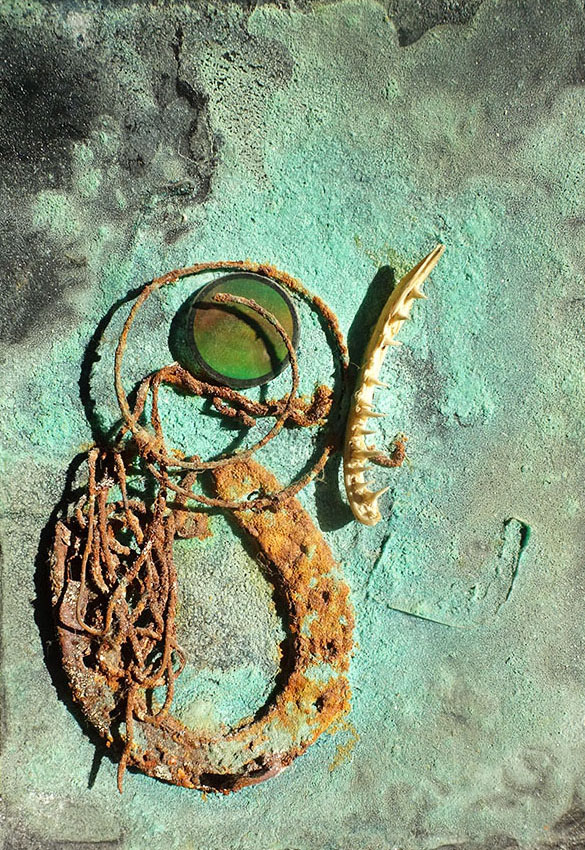
Kathy Ireland Smith is a writer and artist from Cleveland, Ohio. She is currently traveling the world and is presently living in Oaxaca, Mexico.
Brian Fugett
PERISTALSIS IN THE BOWELS OF DOWNTOWN
all up & down
5th street there are
peep shows
coffee shops
liquor stores
& fresh tattoos that glow
on the pale
february bleached flesh
of girls
& all the skinny caramel lattes
are clutched too tight
even though they are hotter than
the august pavement
& everywhere you go
along east 3rd street
the cell phones are screaming
to be released from
all of the pockets
purses
& glove compartment coffins
while a roving pack of mimes
stalk the corner of 4th & main
peddling
thespian nightmares
in a symphony of silence
so loud
it sounds like propaganda
& all the yellow
slowly leaks
from the sun
as i sit in the cafe’
across the street
murdering myself
one cigarette
at a time.
Brian Fugett lives in Kettering, Ohio. He is the editor of Zygote in my Coffee.
John M. Bennett
John M. Bennett is a poet and artist who has been published widely. He lives in Columbus, Ohio.
Mera Moore
THAT LAST DRIVE
Snow pelted asphalt like heavy rain
whipped into chalky mounds.
I even passed the rumbling trucks
cascading the yellow Pinto ash-white
flashing brightness against their gray steel.
The Beatles’ Christmas Song crackled
rang in on every station as we smashed
the slush at sixty-five. He slept
shoulder of his Armani jacket arched
daring me to drown the car in choking smoke.
So I turned into the truck joint–neon
Santa swinging in the bitter winds–
slammed down two cups of blackened water,
sucked deeply the two lone cigs until Philly,
tried to smile at the pockmarked bartender.
Suburbs, curve of an intersection, familiar
poles of wires and trolley tracks:
I held them, snowballs freezing my bare
mind–and I was ten again, riding, looking out—
but driving now and squinting for the street signs.
And you, my love, shone before the wreathed door
one wool-wrapped arm stretching golden
folding me in from the panes of frost
taking even his cool hand against your bent fingers.
Grandmom, you easily sloped the coats
from our backs, soaked us with two Buds apiece.
Your green-gold davenport took my weight,
and the perfume–those old lilacs–
I breathe it in tonight, driving by another neon Santa.
Mera Moore is an instructor of Critical Writing at the University of Pennsylvania.
Jukka-Pekka Kervinen & John M. Bennett
Jukka-Pekka Kervinen is from Finland. His work has appeared in numerous publications.
John M. Bennett is a poet and artist who has been published widely. He lives in Columbus, Ohio.
Steven B. Smith
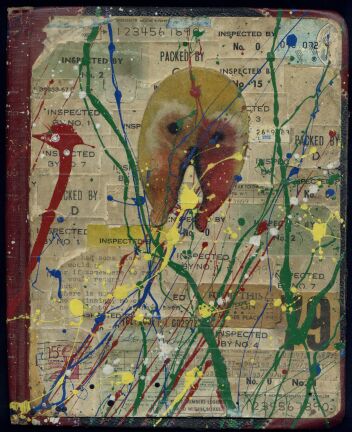
Steven B. Smith is a writer and artist from Cleveland, Ohio. His work has been published and exhibited extensively.
Robert Lietz
WHEN SHIPS COME IN
brew-pubs / the eclectic musks
mauve smears of sympathy –the reasons
to quit / aspiring instead
and –maybe to bless the air –and
wasn’t the backyard clippings
veining your dewy boots –the ochred
and pop-scored studio –and there–
these new and these more natural embraces—
this minded green –these lingering
still / insisting and reductive medleys.
Everyone’s felt the weight
and the exclusions by cabal –discovered
the winter’s shag –feeling–
amourously resigned –the pricks and stings
in mis-related fields –entered the miles
between / the dueling wattages –exposing
luxury –gone into the rooms
where love’s been auctioned otherwise. So
your teeth conduct the music round about—
and your whole skull –tingling –conducts—
feeling the rhythms lapse –revisiting
the light / green light attaining amplitudes—
until the light makes / the diamond-cut
conditionals / dawns with their talking trout—
about as wishful as days get –make
the air your own –measuring the dream-lives
out –the air your own / alone—
and these vendors hurrying the light in
on their handtrucks –making this one thing
of themselves –and of the mis-lettered
foregrounds –lost to trial runs –nothing
but sprung love –said of the dream life
and performance –but this precocious
dawn –these landings –and these streets
made dear for all their boxing parodies–
boxing the wolved years / the receptions
as imagined –the daybright avenues
with hired ships scaled in.
Robert Lietz teaches at Ohio Northern University and spends most of his time in Alliance, Ohio, writing and making photographs. He has appeared in numerous publications such as The Georgia Review, Carolina Quarterly, The North American Review and The Missouri Review. He is the author of seven collections of poetry.
Doug Sutton-Ramspeck
THE SHAPE OF THINGS
Which is to say that the stirring of damselfly wings,
or the descent on a crow’s feather
from the limbs of a black tupelo,
or the alluvium swirling up from the dregs
of the oxbow lake
awaken us for long enough to wonder:
who are you living in these houses
and cabins on the shore, the ones we see
walking
holding hands, or leaning against the knees
of the baldcypresses, or wading
into the muddy shallows where the catfish
hover drowsy in the weeds?
Surely, we tell ourselves, this is the shape
of things:
the other world where incorporeal children
go racing at dusk across the grass, where lights brighten
the curtains after dark, where voices and music
drift as auguries
through screen mesh. These occultations ache to tell us
who we are,
but we exist only in the sudden swooping
of a bat across the waves,
in the white
mouth of a water moccasin swallowing
the pale moon, in the song of the chorus frogs
growing heavy in the fog.
Doug Sutton-Ramspeck directs the Writing Center and teaches creative writing and composition at The Ohio State University at Lima. His work has appeared in such journals as West Branch, Connecticut Review, Nimrod and Seneca Review. His poetry collection, Black Tupelo Country, was selected for the 2007 John Ciardi Prize for Poetry and will be published in the fall of 2008. He lives in Lima, Ohio.
Jonathan Kane
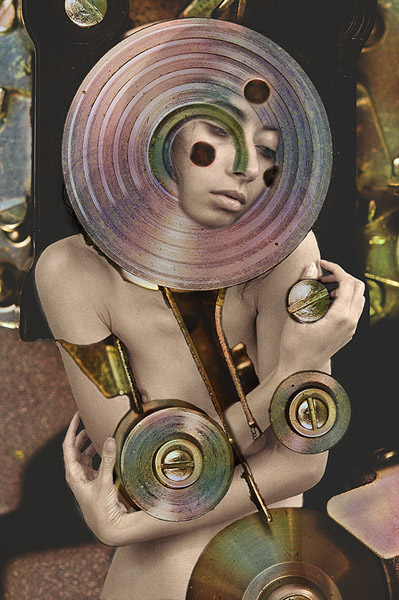
Jonathan Kane was born in Miami Beach, Florida. He currently lives in Naples, Florida.
Alexander Long
KISSING LESSON
A flick of the hair and she secures my hand to hers, leans in, backs
away, leans in, no, like this…. So. May God’s string of pearls called
stars unravel like a dime-store rosary, like the perfect run-on
sentence slipping through our lips, may her mouth always be mine,
may our wordless, timeless prayer carry out its work in our deeds
all the rest of our days, may this undiscovered cosmos flushed with
breath rise and rise and rise, may we feel an end to nothing.
FOR THE GIRL IN THE SECOND ROW
Like you, I have this image here of my father in front of me, and
every detail matters, swells: the snow gathering lazily, flake-by-
flake, on the mallards’ backs, their indifference to it that almost
makes me bitter, younger, revisable, not like my father, who has
become one of the old men I’ll never see again on this blue park
bench overlooking a lake, whose name I’ve always gotten wrong, a
little beard of snow along its muddy edges.
Here is where I no longer believe that time is anything but one long
exhalation.
His stare is a blank of sky reflected in the pond, his eyes distant,
pink dusk, his hands as slow as the icicles above him in the sighing
birches, hands that, Friday nights, would press a double bass to his
chest and thump “A Night in Tunisia” till dawn, bow the dolor
back into “Autumn Leaves,” hands that taught me to do the same
so I might hear our name in a clear unchanging voice.
One day, he thought once, he would stop staring and walk into the
lake, slowly, to return to all he was, without choice or chance, born
into becoming.
And this is the day my voice changed.
I first heard it in the way I was reading Stevens to my students.
Instead of praising what had, suddenly, been there all along, how
sun and wave lilted the woman striding there alone, or how the figures
in the street / Become the figures of heaven, it was my father wading
there, then vanishing in my voice inflected by many waves, and ice.
I’m trying to explain. I mean, whatever I had to say about time, my
father, a name, a voice, made a girl in the second row wince as she
fixed her perfect hair. When I looked at her all I could see were
tiaras of snow collecting on the ice of a lake he’s walking into until
time, too, loses its breath, a wind barely moving at all.
I see it now, and can you hear it, now? This is my voice.
My student, she was, like me I guess, learning the cold, the light it
drops, how hydrangeas bulge fully blue, how acres of corn sweeten
perfect spines, how this is all decoration for the body turning
toward water.
Anna, may your dream not be the wandering kind of a father
moving through ice and water, gently, humming a tune not yet
thought up, the mallards shaking snow off their green and
gorgeous heads, the birches’ icicles extending in their dissolution,
like his image and name are doing just now.
Alexander Long was born and raised in Sharon Hill, Pennsylvania. Vigil, his first book of poems, was released in 2006 from the New Issues Press Poetry Series. His work has appeared in The Southern Review, The Prose Poem: an International Journal, Quarterly West, The Cream City Review, and elsewhere. Beginning fall 2008, he will be an assistant professor of English at John Jay College in New York City. He plays, travels, and writes with the band Redhead Betty Takeout.
Scott MacLeod
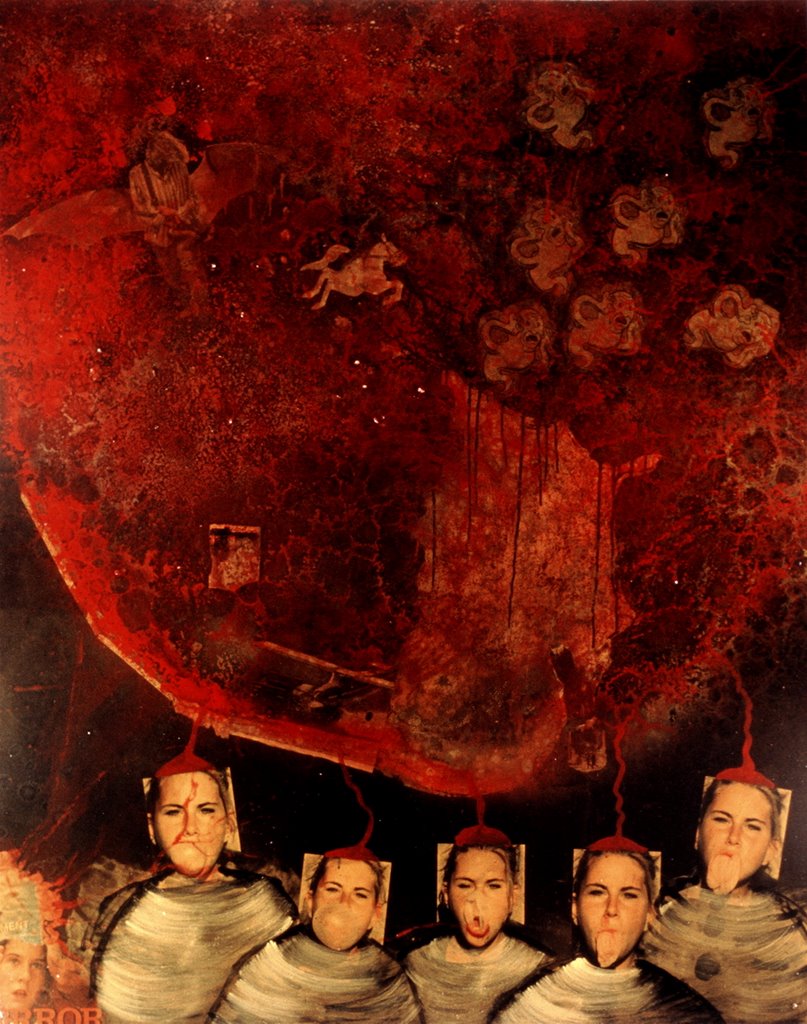
Scott MacLeod is a writer and artist who has published and exhibited his work widely. He lives in Oakland, California.
13 MILES FROM CLEVELAND
Edited by Joe Balaz
Joe Balaz lives in northeast Ohio in the Greater Cleveland area. He edited Ramrod–A Literary and Art Journal of Hawai‘i and was also the editor of Ho’omanoa: An Anthology of Contemporary Hawaiian Literature.
All works appearing in 13 Miles from Cleveland are the sole property of their respective authors and artists and may not be reproduced in any way or form without their permission. © 2008
 13 Miles from Cleveland